Preventive Health Checkups: What Should You Get Checked Regularly?
Preventive health checkups help identify potential health problems before symptoms appear. Regular screening allows you and your doctor to understand important health indicators, assess risk factors, and take action early when needed.
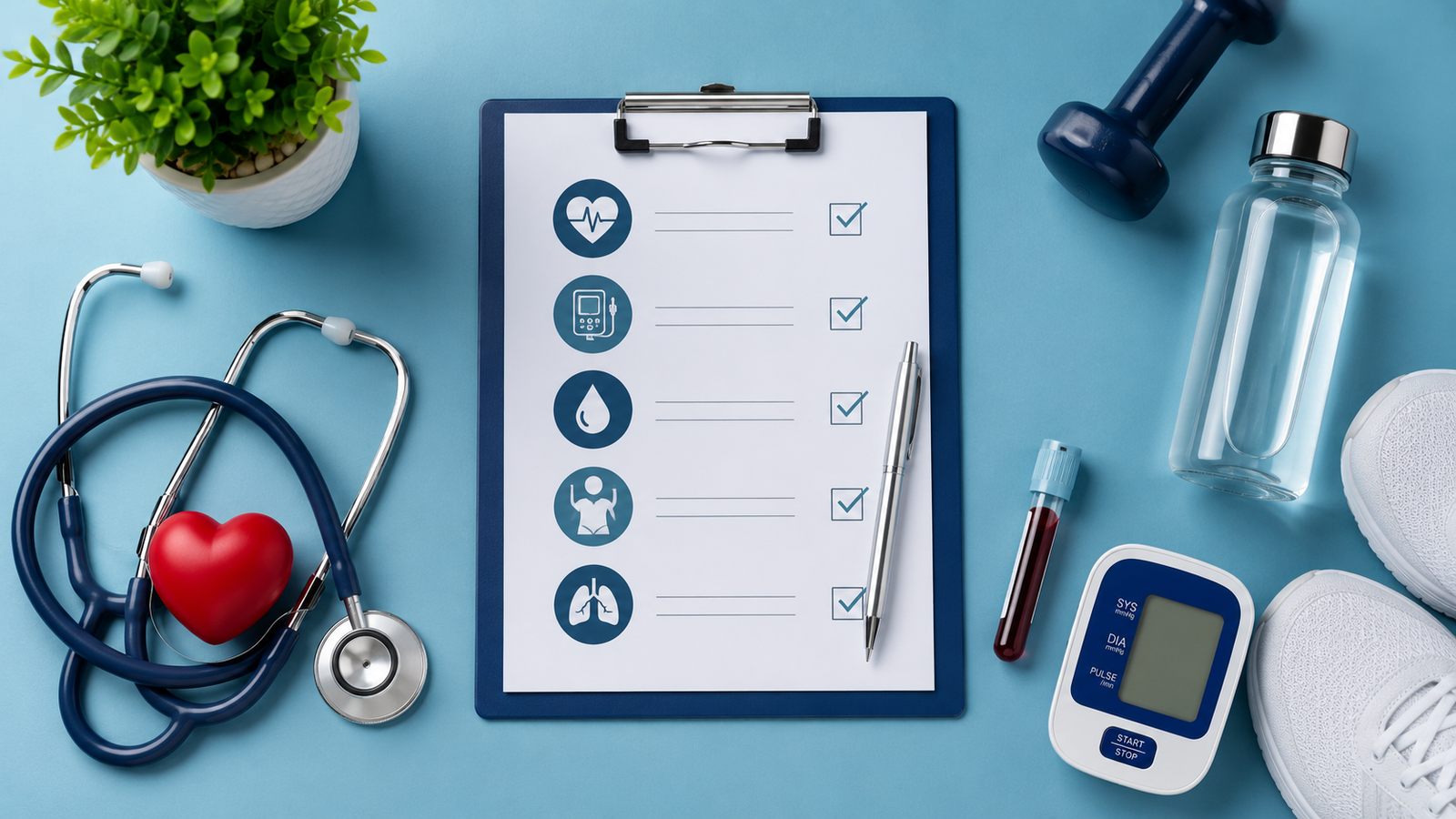
The right health checkup schedule depends on your age, sex, family history, lifestyle, existing health conditions, and personal risk factors. A routine visit may include blood pressure measurement, weight and BMI assessment, and a discussion of lifestyle habits and medical history. Depending on your individual risk, your doctor may also recommend tests such as blood sugar or cholesterol testing and age-appropriate cancer screenings.
Preventive healthcare is not about having every test every year. It is about getting the right checks at the right time and following up when something needs attention.
What Should You Check Regularly?
Blood Pressure
Regular blood pressure checks can help detect hypertension, which may have no noticeable symptoms.
Blood Sugar
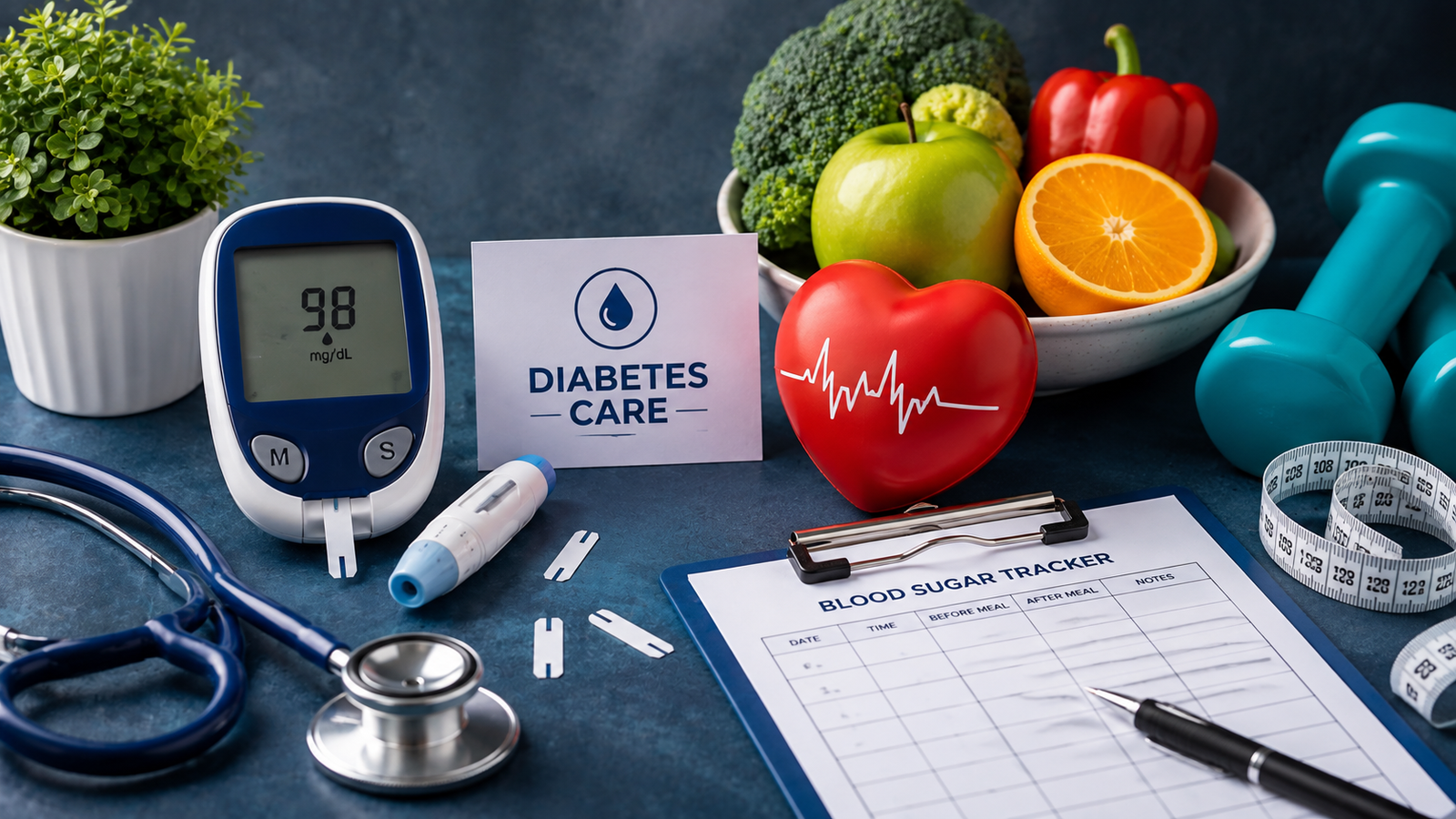
Diabetes and prediabetes screening may be recommended based on age, weight, family history, and other risk factors.
Cholesterol
A lipid profile can help assess cardiovascular risk and guide lifestyle or treatment decisions when appropriate.
Weight & BMI
Monitoring weight and BMI can help identify changes that may increase the risk of diabetes, heart disease, and other conditions.
Heart Health
Your doctor can assess cardiovascular risk by reviewing blood pressure, cholesterol, smoking status, family history, lifestyle, and other relevant factors.
Cancer Screening
Age- and risk-appropriate screening may be recommended for conditions such as colorectal, cervical, breast, or lung cancer.
Eye & Dental Health
Regular eye and dental examinations can help identify problems early and support overall health.
Vaccinations
Keeping recommended vaccinations up to date is an important part of preventive healthcare.
Key Takeaways
- Preventive checkups can detect health risks before symptoms develop.
- Not everyone needs the same tests or screening schedule.
- Blood pressure, blood sugar, cholesterol, and weight are important health indicators.
- Cancer screenings should follow age- and risk-based recommendations.
- Share your family history and lifestyle habits with your doctor.
- A personalized preventive health plan is often more useful than unnecessary testing.
FAQs
1. What is a preventive health checkup?
A preventive health checkup is a healthcare visit focused on maintaining wellness, identifying risk factors, and detecting certain conditions early—often before symptoms appear.
2. How often should I have a health checkup?
There is no single schedule that applies to everyone. The appropriate frequency depends on your age, health status, risk factors, family history, and previous screening results.
3. What tests are usually included in a health checkup?
Depending on your individual needs, a checkup may include blood pressure, weight and BMI assessment, blood sugar, cholesterol testing, vaccination review, and recommended screening tests. Your doctor can determine which tests are appropriate.
4. Should healthy people get regular health checkups?
Yes. Feeling healthy does not always mean there are no health risks. Preventive visits can help identify elevated blood pressure, abnormal cholesterol, diabetes risk, and other concerns that may not cause obvious symptoms.
5. Do I need a blood test every year?
Not necessarily. The need and frequency of blood tests depend on your age, medical history, risk factors, previous results, and the specific test being considered. Your doctor can recommend an appropriate schedule.