High Blood Pressure
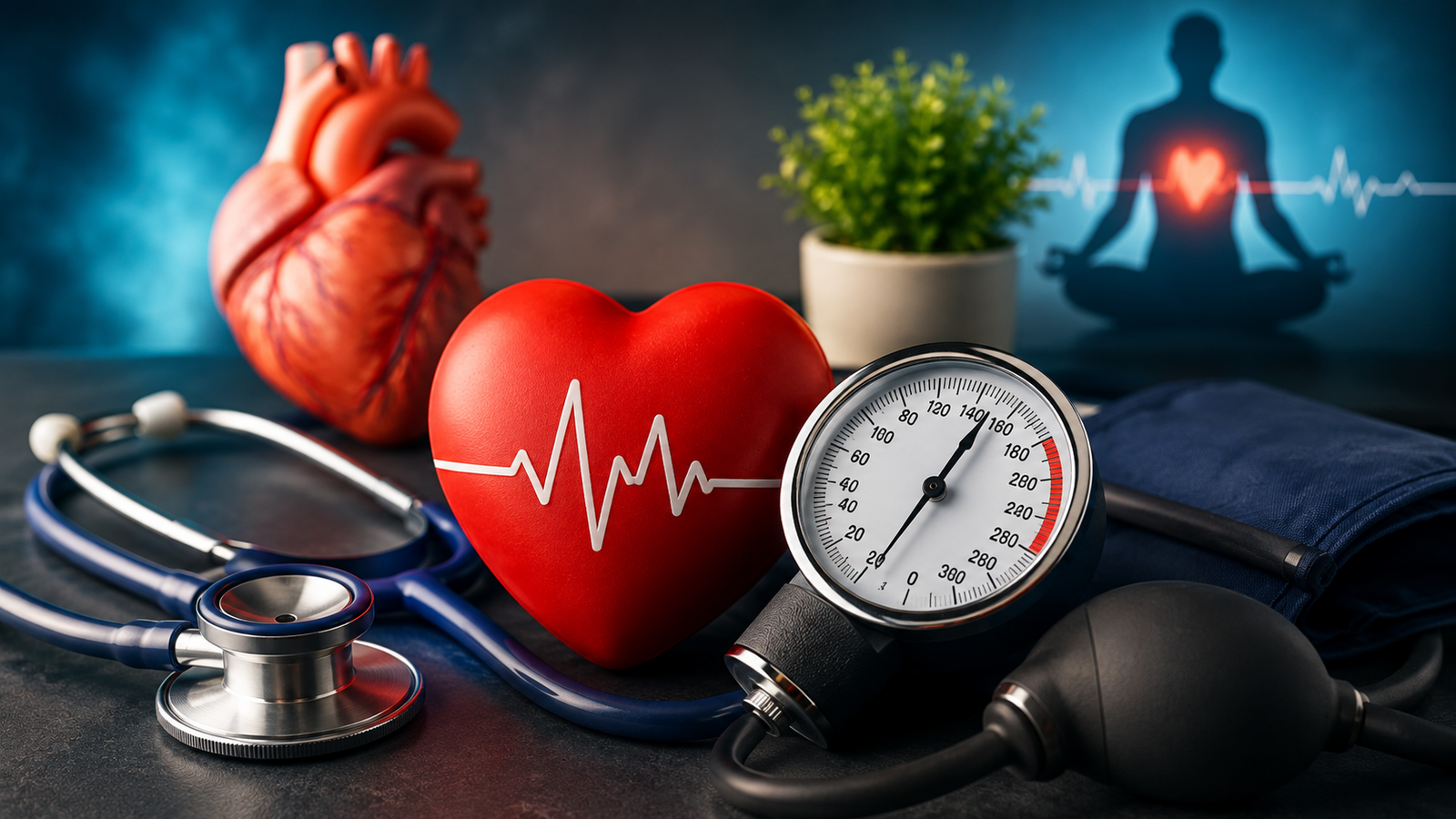
High Blood Pressure: Why It Matters Even When You Feel Fine High blood pressure, also called hypertension, is a common condition in which the force of blood against the artery walls remains higher than recommended. One of the biggest challenges is that high blood pressure often causes no obvious symptoms, so a person may feel completely healthy while the condition is affecting their body. Over time, uncontrolled hypertension can increase the risk of serious health problems, including heart disease, stroke, kidney disease, and other cardiovascular complications. This is why regular blood pressure checks are important, even when you feel well. Managing blood pressure may involve reducing excess salt intake, eating a balanced diet, staying physically active, maintaining a healthy weight, avoiding tobacco, moderating alcohol intake, managing stress, and taking prescribed medication consistently when needed. Regular medical follow-ups can help determine whether your blood pressure is adequately controlled. Key Takeaways FAQs 1. What is high blood pressure? High blood pressure, or hypertension, occurs when blood pressure remains consistently higher than the recommended range. A healthcare professional can interpret your readings based on established guidelines and your overall health. 2. Can you have high blood pressure without symptoms? Yes. Hypertension often does not cause noticeable symptoms, which is why it is sometimes called a “silent” condition. Regular blood pressure measurement is one of the best ways to identify it. 3. What are the common risk factors for high blood pressure? Risk can be influenced by age, family history, excess weight, physical inactivity, a high-sodium diet, tobacco use, excessive alcohol consumption, certain medical conditions, and other factors. 4. What can happen if high blood pressure is not treated? Long-term uncontrolled hypertension can damage blood vessels and increase the risk of complications such as heart disease, stroke, kidney disease, and vision problems. 5. How can I lower my blood pressure naturally? Healthy lifestyle changes can help, including eating a balanced diet, reducing excess sodium, exercising regularly, maintaining a healthy weight, getting adequate sleep, avoiding tobacco, and limiting alcohol. Some people will also need medication. 6. What foods are good for high blood pressure? A heart-healthy eating pattern that includes vegetables, fruits, whole grains, legumes, nuts, and appropriate sources of lean protein can support cardiovascular health. Limiting foods high in sodium and highly processed foods may also help. 7. How often should I check my blood pressure? The appropriate frequency depends on your blood pressure readings, health history, and whether you have been diagnosed with hypertension. Your healthcare professional can recommend an appropriate monitoring schedule. 8. Can high blood pressure be cured? Hypertension can often be effectively managed, although treatment requirements vary between individuals. Lifestyle changes and medication may both be needed to maintain healthy blood pressure levels. 9. Should I stop my blood pressure medicine if my readings become normal? No. Do not stop or change prescribed blood pressure medication without speaking with your healthcare professional. Normal readings may indicate that your treatment is working. 10. When is high blood pressure an emergency? A very high blood pressure reading accompanied by symptoms such as chest pain, severe shortness of breath, weakness or numbness, confusion, difficulty speaking, or significant vision changes requires urgent medical attention. If you have a very high reading without symptoms, repeat the measurement correctly and contact a healthcare professional promptly for guidance.
Preventive Health Checkups
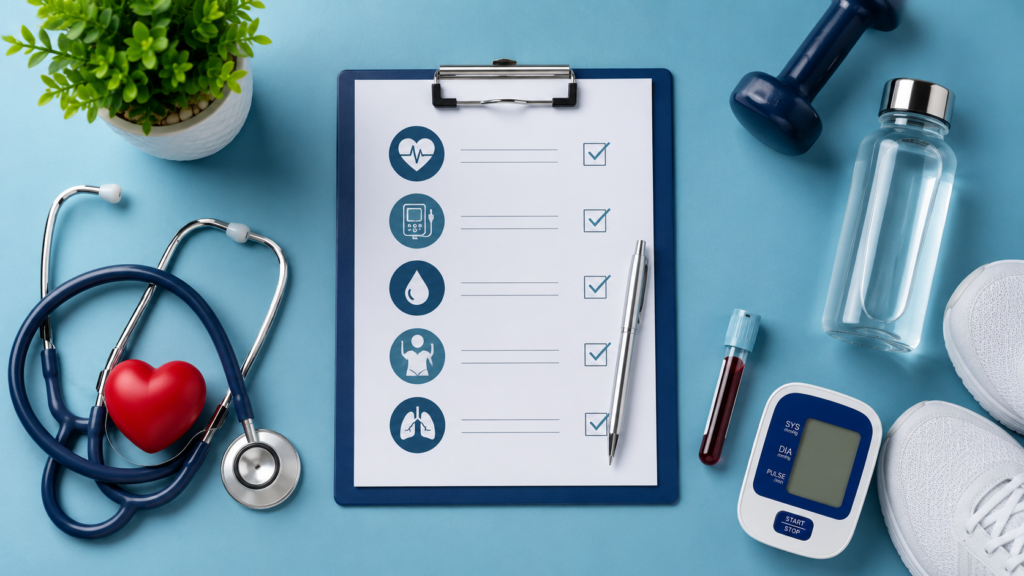
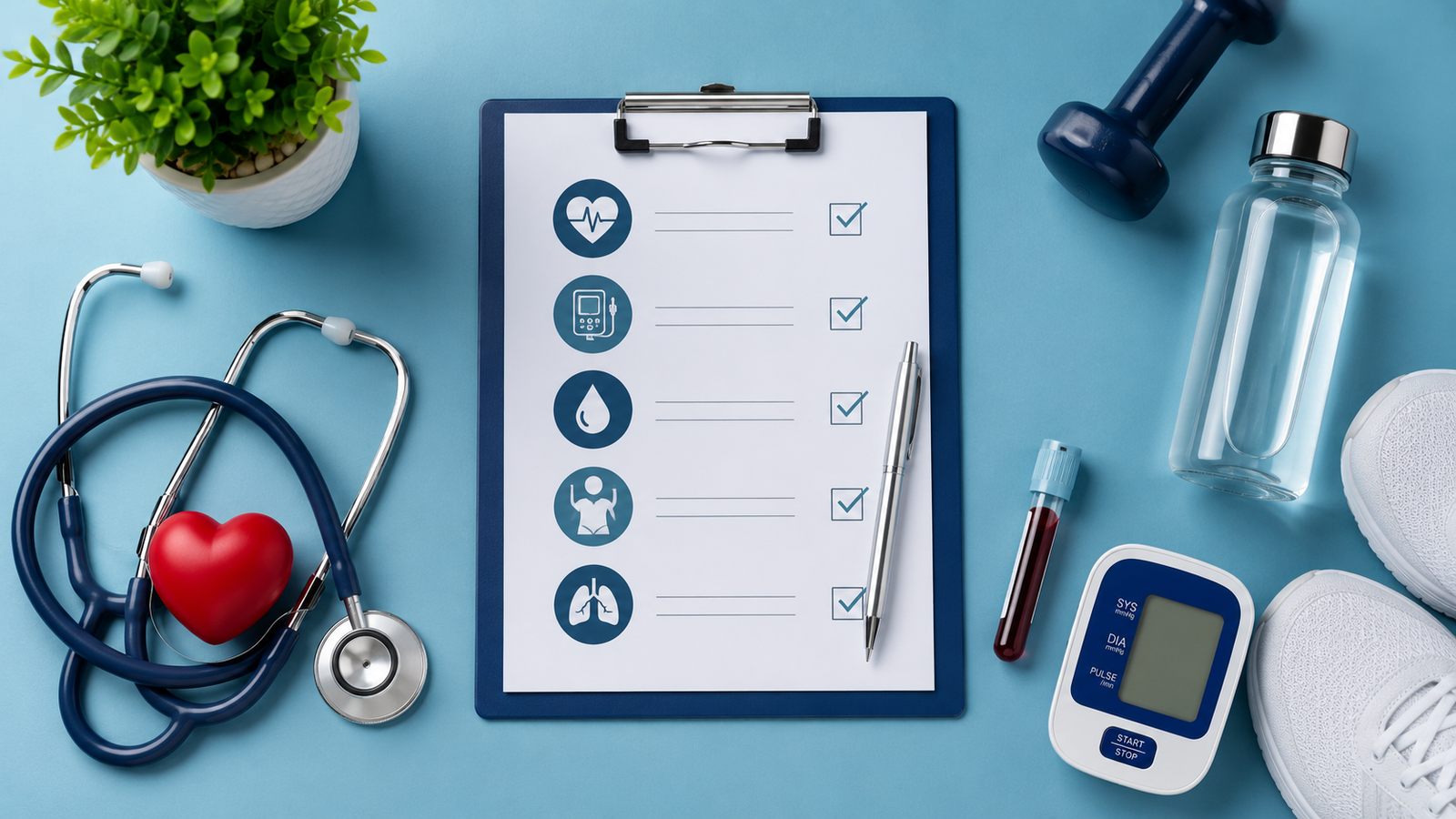
Preventive Health Checkups: What Should You Get Checked Regularly? Preventive health checkups help identify potential health problems before symptoms appear. Regular screening allows you and your doctor to understand important health indicators, assess risk factors, and take action early when needed. The right health checkup schedule depends on your age, sex, family history, lifestyle, existing health conditions, and personal risk factors. A routine visit may include blood pressure measurement, weight and BMI assessment, and a discussion of lifestyle habits and medical history. Depending on your individual risk, your doctor may also recommend tests such as blood sugar or cholesterol testing and age-appropriate cancer screenings. Preventive healthcare is not about having every test every year. It is about getting the right checks at the right time and following up when something needs attention. What Should You Check Regularly? Blood PressureRegular blood pressure checks can help detect hypertension, which may have no noticeable symptoms. Blood SugarDiabetes and prediabetes screening may be recommended based on age, weight, family history, and other risk factors. CholesterolA lipid profile can help assess cardiovascular risk and guide lifestyle or treatment decisions when appropriate. Weight & BMIMonitoring weight and BMI can help identify changes that may increase the risk of diabetes, heart disease, and other conditions. Heart HealthYour doctor can assess cardiovascular risk by reviewing blood pressure, cholesterol, smoking status, family history, lifestyle, and other relevant factors. Cancer ScreeningAge- and risk-appropriate screening may be recommended for conditions such as colorectal, cervical, breast, or lung cancer. Eye & Dental HealthRegular eye and dental examinations can help identify problems early and support overall health. VaccinationsKeeping recommended vaccinations up to date is an important part of preventive healthcare. Key Takeaways FAQs 1. What is a preventive health checkup? A preventive health checkup is a healthcare visit focused on maintaining wellness, identifying risk factors, and detecting certain conditions early—often before symptoms appear. 2. How often should I have a health checkup? There is no single schedule that applies to everyone. The appropriate frequency depends on your age, health status, risk factors, family history, and previous screening results. 3. What tests are usually included in a health checkup? Depending on your individual needs, a checkup may include blood pressure, weight and BMI assessment, blood sugar, cholesterol testing, vaccination review, and recommended screening tests. Your doctor can determine which tests are appropriate. 4. Should healthy people get regular health checkups? Yes. Feeling healthy does not always mean there are no health risks. Preventive visits can help identify elevated blood pressure, abnormal cholesterol, diabetes risk, and other concerns that may not cause obvious symptoms. 5. Do I need a blood test every year? Not necessarily. The need and frequency of blood tests depend on your age, medical history, risk factors, previous results, and the specific test being considered. Your doctor can recommend an appropriate schedule.