
Years of
Clinical Practice
+91 62810 29244
Mon - Sat: 10:00 AM - 6:00 PM
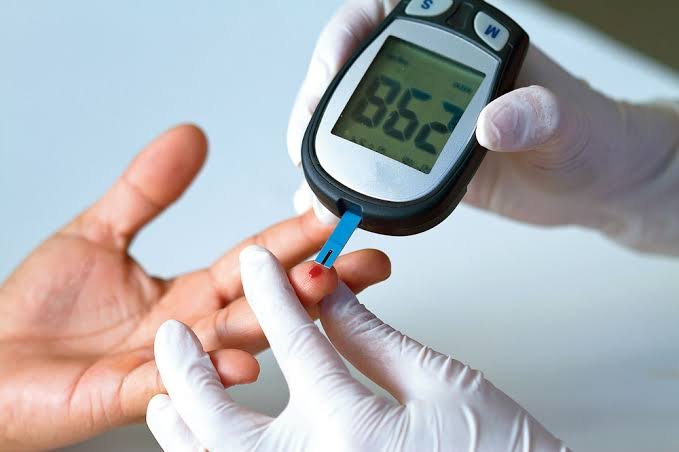
Advanced Diabetes Care is a comprehensive, personalized approach to managing diabetes and reducing the risk of long-term health complications. Diabetes is a chronic metabolic condition in which blood glucose levels remain higher than normal because the body does not produce enough insulin, does not use insulin effectively, or both. Effective diabetes management goes beyond controlling blood sugar alone. It involves understanding the individual’s health profile, identifying risk factors, optimizing treatment, and supporting sustainable lifestyle changes. Under the guidance of an MD, Internal Medicine specialist, advanced diabetes care focuses on achieving better glucose control while protecting the heart, kidneys, nerves, eyes, and overall quality of life.
Diabetes can develop due to a combination of genetic, metabolic, lifestyle, and environmental factors. Type 1 diabetes occurs when the immune system damages the insulin-producing cells of the pancreas, while Type 2 diabetes is commonly associated with insulin resistance and progressive decline in insulin production. Factors such as family history, excess body weight, physical inactivity, an unhealthy diet, increasing age, high blood pressure, and abnormal cholesterol levels can increase the risk of Type 2 diabetes. Certain medications, hormonal conditions, pancreatic disorders, and pregnancy-related changes may also contribute to elevated blood glucose levels. Understanding the underlying factors is an important part of developing an effective diabetes care plan.
Diabetes may develop gradually, and some patients may have elevated blood sugar without noticeable symptoms. Common signs can include increased thirst, frequent urination, unusual hunger, unexplained weight changes, fatigue, blurred vision, slow-healing wounds, and recurrent infections. Some individuals may also experience tingling or numbness in the hands and feet, particularly when blood sugar has remained uncontrolled for a prolonged period. Because early diabetes can be silent, regular health screening and blood glucose assessment are particularly important for people with risk factors.
A thorough diabetes evaluation begins with a detailed medical history, lifestyle assessment, family history, and physical examination. Blood tests such as fasting blood glucose, HbA1c, and, when appropriate, an oral glucose tolerance test may be used to identify diabetes or prediabetes. For patients already diagnosed with diabetes, regular HbA1c monitoring helps assess average blood glucose control over the preceding few months. Advanced diabetes care may also include evaluation of blood pressure, cholesterol, kidney function, liver health, eye health, and cardiovascular risk. These assessments help create a comprehensive picture of the patient’s health rather than focusing only on blood sugar levels.
Treatment for diabetes is individualized according to the type of diabetes, blood glucose levels, age, overall health, existing medical conditions, and personal goals. Management may include nutritional guidance, regular physical activity, weight management, and appropriate medication. Depending on the patient’s needs, oral medicines, injectable therapies, insulin, or newer glucose-lowering medications may be considered. Advanced diabetes management also emphasizes cardiovascular and kidney protection where appropriate, along with monitoring for complications. Continuous glucose monitoring and other modern diabetes-management technologies may be useful for selected patients. The goal is to achieve safe and sustainable glucose control while supporting long-term metabolic health.
Successful diabetes management requires ongoing care rather than a one-time treatment. Patients should follow their prescribed medication plan, monitor blood glucose as advised, maintain a balanced diet, remain physically active, and attend regular medical reviews. Periodic assessment of HbA1c, kidney function, cholesterol, blood pressure, feet, and eye health can help detect problems at an early stage. Treatment may need to be adjusted over time as the condition, lifestyle, medications, or other health factors change. Consistent follow-up with an Internal Medicine specialist can help patients maintain better control and make informed decisions about their long-term health.
Persistently uncontrolled diabetes can affect multiple organs and increase the risk of serious health problems. Long-term complications may include heart disease, stroke, kidney disease, diabetic nerve damage, vision problems, foot ulcers, and increased susceptibility to certain infections. Very high or very low blood glucose can also cause acute complications that require prompt medical attention. The risk of complications depends on factors such as the duration of diabetes, glucose control, blood pressure, cholesterol levels, smoking, kidney health, and other medical conditions. Early diagnosis, personalized treatment, and regular monitoring can significantly reduce the likelihood of preventable complications.
You should consider a medical evaluation if you experience persistent thirst, frequent urination, unexplained weight loss, ongoing fatigue, blurred vision, recurrent infections, or slow-healing wounds. People with a family history of diabetes, excess weight, high blood pressure, abnormal cholesterol, or other metabolic risk factors may also benefit from regular diabetes screening even when they have no symptoms. Patients who already have diabetes should seek medical advice when blood glucose remains consistently above or below their recommended range, when medications are causing concerns, or when new symptoms develop. Timely consultation with an experienced MD, Internal Medicine specialist can help identify problems early and establish a personalized Advanced Diabetes Care plan focused on better metabolic health and long-term wellbeing.

Compassionate care. Evidence-based medicine. Better health.
Advanced Diabetes Care
Preventive Health Screening
Executive Health Checkup
Executive Health Program
Metabolic Health Program
Longevity Medicine Program
Second Opinion Consultation
Hypertension & Cardiometabolic Health
Home
About Doctor
Services
Gallery
FAQ's
Patient Reviews
Blogs
Contact Us


Dr. Immadi Nikhil – physician © 2026. All Rights Reserved. | Copyright PrigmaSoft Technologies
WhatsApp us
Schedule your consultation with Dr. Immadi Nikhil

Consult Dr. Immadi Nikhil, MD (Internal Medicine)
Get personalized advice for your health and wellness
Focus on prevention, early detection and long-term wellness
Choose a convenient date and time for your visit
+91 62810 29244
Mon - Sat: 10:00 AM - 6:00 PM