Years of
Clinical Practice
+91 62810 29244
Mon - Sat: 10:00 AM - 6:00 PM
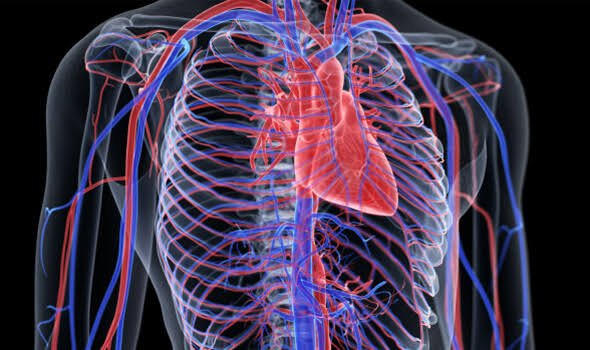
Hypertension, commonly known as high blood pressure, is one of the most important risk factors for heart disease, stroke, kidney disease, and other long-term health problems. Cardiometabolic health refers to the overall health of the heart, blood vessels, blood sugar, cholesterol, body weight, and metabolism. These factors are closely connected, and an imbalance in one area can increase the risk of problems in another. Effective management of hypertension and cardiometabolic health focuses not only on controlling blood pressure but also on identifying and managing related conditions such as diabetes, high cholesterol, obesity, and metabolic syndrome.
For patients with high blood pressure or multiple cardiovascular risk factors, regular medical evaluation can help detect problems early and reduce the risk of serious complications. Individualised treatment, healthy lifestyle habits, and regular monitoring can play an important role in maintaining long-term cardiovascular and metabolic health.
Hypertension can develop due to a combination of genetic, lifestyle, and medical factors. In many adults, blood pressure gradually increases with age and is influenced by excess body weight, a high-sodium diet, physical inactivity, chronic stress, smoking, and excessive alcohol consumption. A family history of hypertension can also increase susceptibility. Conditions such as diabetes, kidney disease, sleep-related breathing disorders, and certain hormonal disorders may also contribute to elevated blood pressure.
Cardiometabolic risk becomes greater when several factors occur together, such as high blood pressure, increased blood sugar, abnormal cholesterol levels, excess abdominal fat, and insulin resistance. Certain medications and underlying medical conditions can sometimes cause or worsen hypertension, which is why identifying the underlying factors is an important part of comprehensive evaluation.
Hypertension is often called a “silent” condition because many people have no noticeable symptoms even when their blood pressure remains high. Some patients may experience headaches, dizziness, fatigue, blurred vision, shortness of breath, or a feeling of uneasiness, but these symptoms are not specific to hypertension and should not be relied upon to identify high blood pressure.
When blood pressure becomes severely elevated, symptoms such as severe headache, chest discomfort, difficulty breathing, confusion, weakness, or changes in vision may occur and require immediate medical attention. Regular blood pressure checks are therefore important, particularly for adults with diabetes, obesity, high cholesterol, kidney problems, a family history of cardiovascular disease, or other risk factors.
The diagnosis of hypertension is based primarily on accurate and repeated blood pressure measurements rather than a single elevated reading. Depending on the individual patient’s situation, home blood pressure monitoring or ambulatory blood pressure monitoring may also be recommended to understand blood pressure patterns outside the clinic. A detailed medical history and physical examination help identify possible causes and assess overall cardiovascular risk.
Evaluation may also include blood and urine tests to assess blood sugar, cholesterol, kidney function, electrolytes, and other relevant health markers. Depending on the patient’s symptoms and risk profile, additional investigations may be advised to evaluate the heart, kidneys, blood vessels, or possible secondary causes of hypertension. This comprehensive approach helps create a treatment plan suited to the patient’s individual needs.
Treatment for hypertension and cardiometabolic health is tailored according to blood pressure levels, age, existing medical conditions, cardiovascular risk, and other individual factors. Lifestyle modification is an important foundation of treatment and may include reducing excess dietary salt, following a balanced and nutritious diet, maintaining a healthy weight, engaging in regular physical activity, avoiding tobacco, limiting alcohol, and managing stress effectively.
When lifestyle measures alone are not sufficient, prescription medicines may be recommended to control blood pressure and reduce the risk of heart and kidney complications. Depending on the patient’s condition, treatment may also involve managing diabetes, cholesterol abnormalities, obesity, or other cardiometabolic risk factors. Regular follow-up allows treatment to be adjusted when necessary while monitoring both effectiveness and tolerability.
Long-term management is essential because hypertension and cardiometabolic risk factors often require ongoing care even when a patient feels completely well. Patients should monitor their blood pressure as advised, take prescribed medicines consistently, and attend scheduled follow-up appointments. Maintaining healthy eating habits, regular physical activity, appropriate weight, adequate sleep, and other recommended lifestyle changes can support sustained cardiovascular health.
It is important not to stop or change blood pressure medicines without medical advice, even when blood pressure readings improve. Periodic monitoring of blood sugar, cholesterol, kidney function, and other relevant health parameters may also be recommended based on the patient’s overall risk profile. Consistent follow-up helps identify changes early and allows treatment to remain appropriate over time.
Persistently uncontrolled hypertension can place continuous strain on the heart and blood vessels and may gradually damage important organs. Over time, it can increase the risk of heart attack, heart failure, stroke, kidney disease, vision problems, and other vascular complications. The risk may be higher when hypertension occurs alongside diabetes, high cholesterol, obesity, smoking, or other cardiometabolic conditions.
Early detection and effective management can significantly reduce the likelihood of these complications. Managing blood pressure together with blood sugar, cholesterol, body weight, and other cardiovascular risk factors provides a more comprehensive approach to protecting long-term heart and metabolic health.
You should consider consulting an MD Internal Medicine physician if you have repeatedly elevated blood pressure readings, a family history of hypertension or cardiovascular disease, diabetes, high cholesterol, obesity, kidney disease, or other factors that may increase your cardiometabolic risk. Medical evaluation is also advisable if you experience persistent headaches, dizziness, breathlessness, chest discomfort, unusual fatigue, or other unexplained symptoms.
Very high blood pressure accompanied by severe headache, chest pain, significant difficulty breathing, confusion, weakness or numbness, difficulty speaking, or sudden changes in vision requires urgent medical evaluation. Regular health assessments, even in the absence of symptoms, can help identify hypertension and related cardiometabolic risk factors early and support timely treatment.

Compassionate care. Evidence-based medicine. Better health.
Advanced Diabetes Care
Preventive Health Screening
Executive Health Checkup
Executive Health Program
Metabolic Health Program
Longevity Medicine Program
Second Opinion Consultation
Hypertension & Cardiometabolic Health
Home
About Doctor
Services
Gallery
FAQ's
Patient Reviews
Blogs
Contact Us


Dr. Immadi Nikhil – physician © 2026. All Rights Reserved. | Copyright PrigmaSoft Technologies
WhatsApp us
Schedule your consultation with Dr. Immadi Nikhil

Consult Dr. Immadi Nikhil, MD (Internal Medicine)
Get personalized advice for your health and wellness
Focus on prevention, early detection and long-term wellness
Choose a convenient date and time for your visit
+91 62810 29244
Mon - Sat: 10:00 AM - 6:00 PM